
Understanding the psychology behind gambling Why we take risks in casinos
The Thrill of Uncertainty
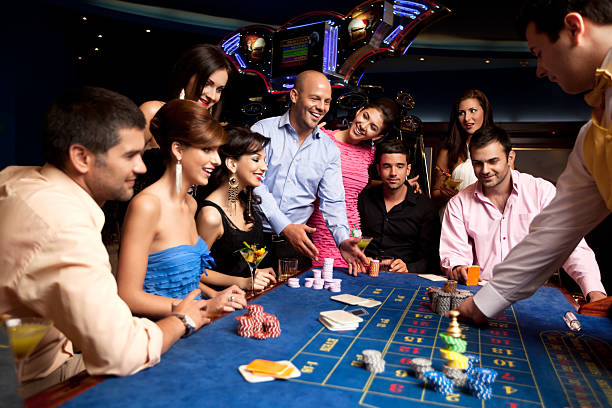
One of the main psychological draws of gambling lies in the thrill of uncertainty. The unpredictability of outcomes creates a unique excitement that many find addictive. When players engage in games of chance, they experience a rush, often described as an adrenaline high. This excitement can be further amplified by the atmosphere of a casino, with its lights, sounds, and vibrant energy, contributing to a heightened state of arousal. Furthermore, Read more on Escapist Magazine discusses how various elements of the gaming environment can impact behavior.

This emotional response is rooted in the brain’s reward system. When a player takes a risk and wins, the brain releases dopamine, a neurotransmitter associated with pleasure and reward. This chemical reaction reinforces the behavior, making individuals more likely to gamble again in the hope of repeating that euphoric experience.
Cognitive Biases and Illusions
Cognitive biases play a significant role in gambling behaviors. Many players fall victim to the gambler’s fallacy, a belief that previous outcomes can influence future results. For instance, after a series of losses on a roulette table, a player might feel that a win is “due.” This illusion of control can lead individuals to take larger risks, unaware that each spin is independent of the last. Recognizing these myths is crucial for responsible gambling.
Additionally, confirmation bias leads players to remember their wins while forgetting the losses, further skewing their perception of luck and skill. These cognitive traps can create a distorted view of gambling, encouraging players to engage in riskier behaviors as they chase what they perceive as a winning streak.
Social Influences on Gambling Behavior
The social environment surrounding gambling also contributes to its appeal. Many individuals associate gambling with socializing, viewing it as a recreational activity to enjoy with friends. This social aspect can diminish the perceived risks involved, making gambling feel more like entertainment than a financial gamble.
Peer influence can also amplify gambling behaviors. If friends or family members are involved in gambling, individuals may feel pressured to participate, often rationalizing their actions through shared experiences. This social validation can mask the inherent risks, leading to a cycle of increased gambling activity.
The Role of Marketing and Casino Design
Casino operators utilize sophisticated marketing strategies to draw in players. The design of casinos is carefully crafted to maximize player engagement and minimize the likelihood of leaving. Bright lights, enticing sounds, and strategically placed rewards create a sensory overload that keeps players on the floor longer.
Promotional offers and loyalty programs are also designed to create a sense of value and urgency. These tactics can lead players to take risks they might otherwise avoid, as the prospect of bonuses or free play creates a perception of decreased financial risk. As a result, players may be lured into making decisions that could have significant financial consequences.
Maximizing Your Gambling Experience with Informed Choices
Understanding the psychology behind gambling can empower players to make informed choices. Knowledge of cognitive biases and the effects of social and environmental factors can help individuals recognize when they are being influenced to take unnecessary risks. By being aware of these psychological triggers, players can develop healthier gambling habits.
This website serves as a valuable resource for those looking to enhance their gaming experience responsibly. By providing insights and strategies for engaging with casinos, it helps users navigate the complex world of gambling while prioritizing their well-being and enjoyment.